

recently search
If you’re planning a tour of Washington DC, there are a few things you should know before you go. After all, you want to have a great experience and see the things that are most important to you.
We call our area many names: the “DMV” – that’s the District, Maryland, and Virginia. Washington DC is not a state. Its name means “District of Columbia”. You may see references to “the District” or simply “Washington” or “DC” or, less frequently, our nation’s capital/national capital. These terms are used interchangeably and mean the same in this travel guide.
The city spans 68 square miles, and its population has remained stable at around 700,000 for the past few years. About 6 million residents live in the “DMV”—the metropolitan national capital area.
And 2026 is a once-in-a-lifetime year to visit. Washington DC is the epicenter of America’s 250th anniversary celebrations, with year-round events including the Great American State Fair on the National Mall, the first-ever INDYCAR race past the Washington Monument, expanded Smithsonian exhibitions, and the biggest July 4th fireworks show in the nation’s history.
Here are our most essential tips for first-time visitors to Washington DC.

For many visitors, just viewing the People’s House from the street and snapping a few photos is more than enough. However, if your heart is set on a tour, you’ll be disappointed if you just show up and expect to get in.
Once you know the dates you’ll be in D.C., it’s a good idea to put plans in motion if you hope to get inside the White House. You should submit a request to a member of Congress—not less than 21 days in advance of your proposed tour date. If you’re a citizen of another country, you will need to work with your embassy to obtain approval for your request.
If, despite your efforts, you are unable to visit the inside of the White House — and yes, it happens frequently as events come up suddenly, causing the White House to limit or close to visitors — fear not. The “The People’s House” visitor center has wonderful exhibits, state-of-the-art features, and clever ways of giving people a peek inside the most famous home in the country!
Important Notes:
Allow extra time for security checks — they’re a significant part of visiting DC. At places like museums, the National Archives, the Capitol, the Library of Congress, the White House, and Arlington Cemetery, you’ll need to go through a metal detector and send your bags through an X-ray machine.
Leave the snacks behind — food isn’t allowed. You can bring water into most places (except the Capitol and the White House), but your bottle must be empty when you arrive at the Capitol.
Having a ticket won’t get you to the front of the line, so wear comfy clothes, pack your patience, and eat a good meal before you go. Most sites have cafés if you get hungry later, but note that there is no café at Arlington Cemetery, so plan ahead. (If you need food for medical reasons, that’s the one exception.)
Wondering what to wear? There’s no strict dress code for sightseeing in DC — jeans and comfortable tops are perfectly fine at the Capitol, National Archives, and Smithsonian museums. That said, avoid short shorts, ripped clothing, and tank tops if you want to look respectable, and remove hats when going through security inside national institutions. Leave backpacks and large bags in your tour bus or hotel — most buildings have bag size limits. When in doubt, business casual is a safe bet. For more details, check out our guide to dress code while sightseeing in DC.
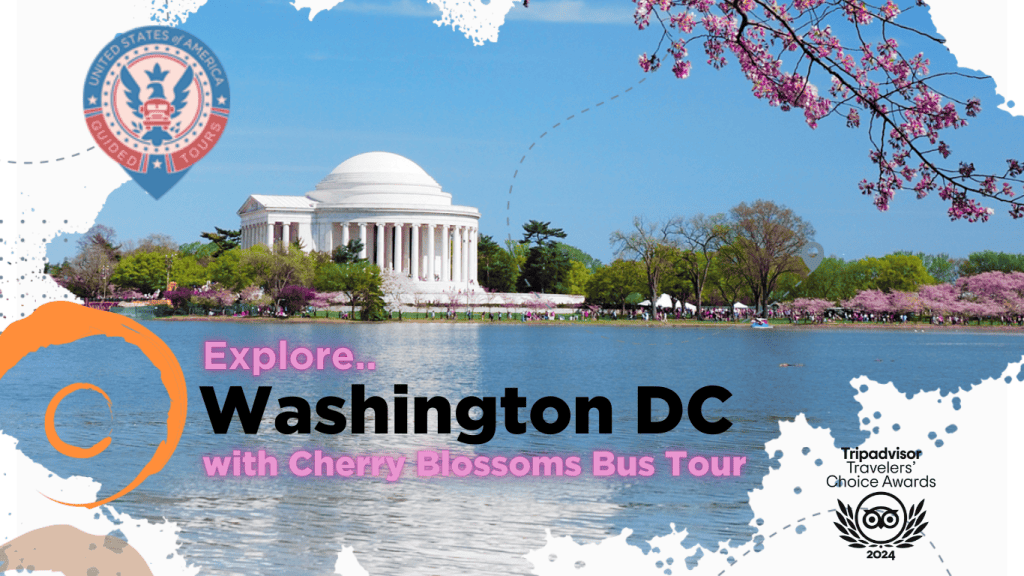
With school out and many people on summer vacation, we have many guests in the summer, especially families. However, DC summers are notoriously hot and very humid, so please consider your comfort and tolerance levels before booking a summer trip.
If you book a guided tour, you’ll be in air-conditioned comfort for much of the adventure, which is a great bonus for summer travelers. The nights are typically cooler, so we’re happy to help you book a night tour in our breezy, open-top sprinter vans or our closed-top buses, which feature plenty of air conditioning. Our June/July sunset time is 8:30 PM – 9:00 PM, so you’ll have some daylight even on our dusk tours.
Spring and fall are excellent seasons to experience the city—and there’s nothing like the cherry blossoms in D.C.! Late October and early November are when our leaves peak, and it’s stunning! DC is, after all, the City of Trees with over 170,000 trees growing within city limits.
Spring and fall are excellent seasons to experience the city — and there’s nothing like the cherry blossoms in DC! Time your trip perfectly to take part in the yearly National Cherry Blossom Festival that honors both American and Japanese cultures, featuring a Japanese street festival, kite festival, live performances, art exhibits, a parade, and more.
Late October and early November are when our leaves peak, and it’s stunning! DC is, after all, the City of Trees with over 170,000 trees growing within city limits.
Winters are relatively quiet, visitor-wise, which makes it appealing to visit despite the often frosty weather. You can also see some amazing holiday lights and the national Christmas tree on our special Washington DC Holiday Lights Tour!
Washington DC is an exciting place with lots of monuments, memorials, museums, and historic neighborhoods.
A guided tour provides a comprehensive overview of the city, helping you become more familiar with the area and better explore the places that interest you on your own later on.

Guided Tours – the Best Way to Explore DC
We recommend taking our DC Highlights Tour on your first day. That way you can get a real feel for the city and plan the rest of your trip around what you want to see more of, plus you can ask a bunch of questions about local culture, traditions, and habits.
Whether you prefer a walking tour, want to visit the city by bus, or prefer to tour at night versus during the day, USA Guided Tours offers expansive itineraries to fit every traveler.
If you’d like a little more independence without losing the advantages of a guided tour, a combination of a fully guided tour and hop-on/hop-off tour is a great way to see the city.
Looking to organize a sightseeing trip for your family? Check out our tips and recommendations for a kid-friendly DC trip.
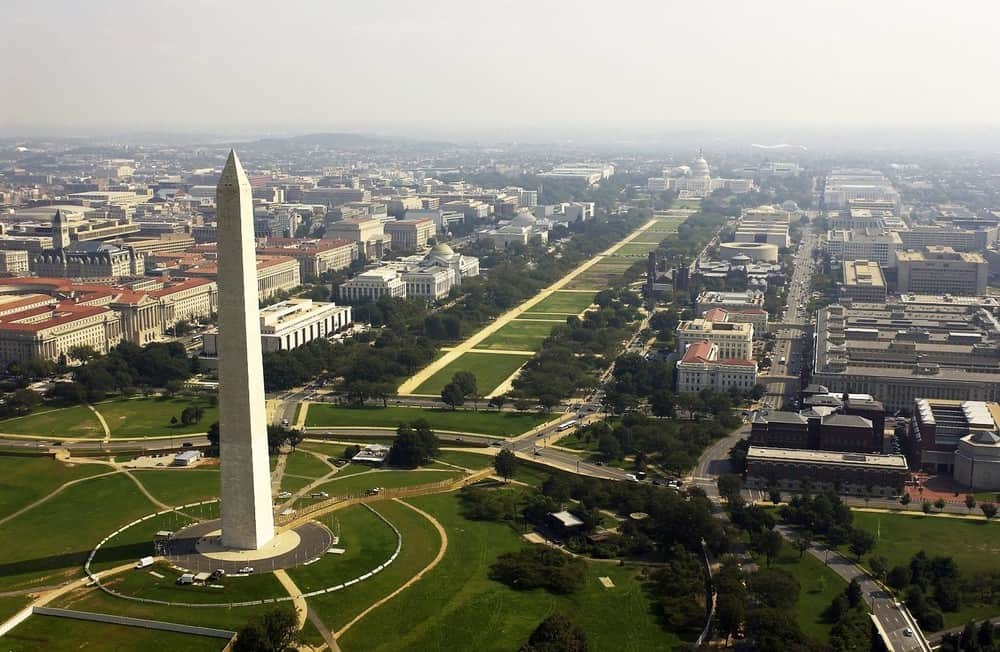
If you’ve seen the National Mall in movies like Forrest Gump, it might seem like everything’s just a few blocks apart. But in reality, this iconic stretch runs about two miles from the Capitol Building to the Lincoln Memorial—plenty of ground to cover, especially if you’re planning to visit multiple museums and monuments.
TV shows and film camera lenses make everything appear much closer than it is, so don’t be surprised when the walk feels a lot longer in person. That’s where our guided bus tours can help! We take the guesswork (and the extra walking) out of your sightseeing by bringing you directly to the highlights along the National Mall.
Still, be sure to wear comfortable walking shoes—there’s a good amount of walking involved, even with transportation. And when you’re ready for a break, many museums along the Mall have cafés where you can recharge.
The Mitsitam Café at the National Museum of the American Indian is usually less crowded and offers a unique menu inspired by Indigenous cuisine. Or check out the USDA Cafeteria, a hidden gem that’s recently reopened to the public.
If you only have 24 hours in D.C., the Mall is a great place to start. You could easily spend the whole day soaking in the sights—and no one would blame you if you did.
Like any international capital, DC is an expensive place to visit. The good news is, you can save a lot by spending your time doing all the free things. All the Smithsonian museums are free—including the National Zoo. Ditto all of the monuments and memorials.
Many of the art museums and galleries are also free, including the National Gallery, the Hirshhorn, and the Freer and Sackler Galleries. And if they’re not always free, they usually offer entry free of charge on certain days — on the first Sunday of every month, there’s no cost to enter the National Museum of Women in the Arts on their Free Community Day.
You can spend hours enjoying the gorgeous parks and green spaces that dot the city. Pack a picnic lunch and plenty of water, and you really can enjoy an entire day in DC without spending a dime!
Check out our list of the best museums in Washington DC to visit.

Want to avoid the crowds and get some amazing photographs to boot? Plan an evening monument tour. There’s nothing quite so spectacular as the Lincoln and Jefferson Memorials, the Washington Monument, and the Martin Luther King, Jr., Memorial, brightly lit against the night sky.
Climb the stairs to visit the illuminated Lincoln Memorial in front of the reflecting pool that looks magical in the dark. Walk around the World War II Memorial where the statues and fountain are flooded with light. Even the Vietnam Veterans Memorial is lit up so that all of the names can still be read. The museums may close, but the monuments never sleep!
Why spend $3, $4, or $5 for a bottle of water when you can refill your own for free at locations all over the city? Besides saving a lot of money, you’re also helping to control the plastic pollution that plagues major cities.
D.C. has a TapIt program that partners with over 750 businesses and attractions around the District to provide free tap water to residents and visitors. No one will think you’re strange for refilling your water bottle—and D.C. tap water actually tastes pretty great. Treat yourself to something to remember your visit by, using all the money you save.
Don’t have a bottle? If you take our guided tour, you will get a free bottle of water on your bus.
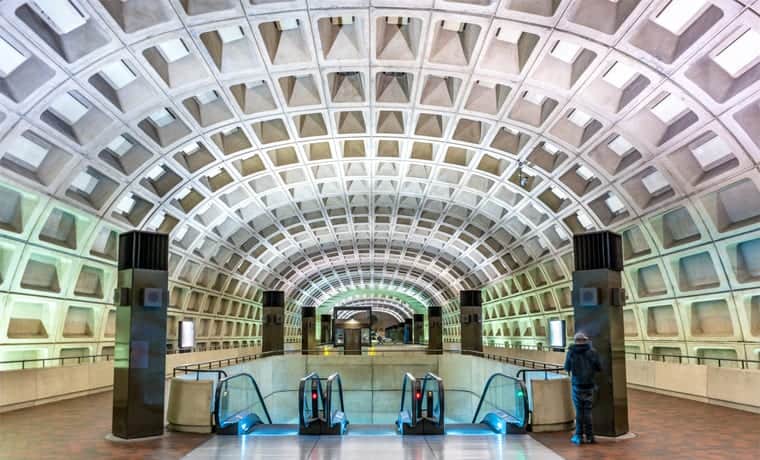
New in 2026: You no longer need a SmarTrip card to ride Metro. DC’s Metro system now accepts contactless tap-to-pay — just tap your contactless credit card, debit card, Apple Pay, or Google Pay at any Metrorail faregate or Metrobus farebox. No sign-up or registration needed. This is a game-changer for tourists.
That said, if you plan to ride frequently, the SmarTrip card still offers the best deal. Download the SmarTrip app and instantly add funds, buy money-saving passes, check balances, and set up auto reload. A one-day unlimited pass is just $13.50 — a great value if you plan to explore various parts of the city.
Beyond the Metro, DC has plenty of other ways to get around. Rent bikes through Capital Bikeshare or hop on a Lime, Bird, or Lyft scooter scattered around the city. Compare fares on Uber and Lyft for longer trips, or schedule a taxi on the DC Yellow Cab or Curb apps.
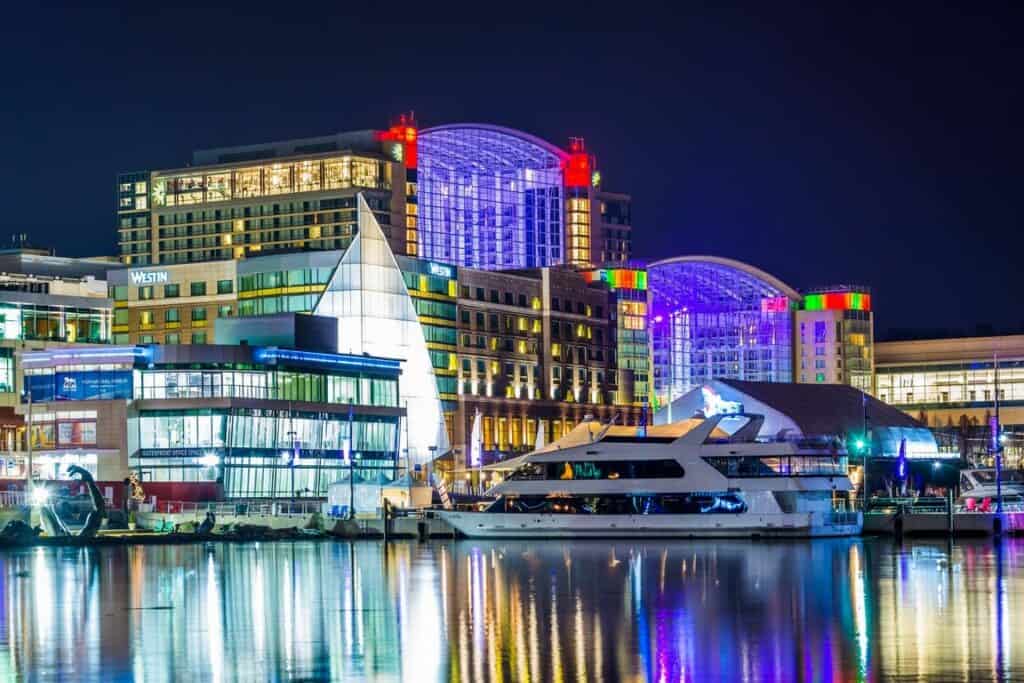
Washington DC is a waterfront city, and a Potomac Riverboat cruise is the perfect way to see a whole different side of the city. You can also enjoy other water activities, such as kayaking on the Potomac River or taking a paddleboat ride in the Tidal Basin.
Don’t miss some of the gorgeous harbors in the area, especially the Washington Harbour in Georgetown and the National Harbor in Maryland. Treat your family to a ride on the National Wheel for spectacular views of the city, or take a private boat tour!
Washington is a highly walkable city—it’s probably the best way to explore the neighborhoods and charming districts. And even if you book a guided city tour, you’ll still have to walk a good bit to get from parking spaces to the attractions themselves.
Our best advice is to forget your stylish shoes and go for the ones that make your feet happy. You’ll be able to enjoy your trip so much more if your feet aren’t sore.
Those supportive soles won’t just be needed for pounding the pavement — you can also enjoy nature in the DC area. Federally managed since 1890, Rock Creek Park features over 32 miles of hiking trails, Civil War-era landmarks, horseback riding, and evening stargazing programs from April to November. You can also download their plant finder and stroll through the US National Arboretum, covering almost 450 acres with nearly 700 plant introductions from all over the world.

DC drivers are always in a hurry, and the traffic is pretty terrible. If you want to ruin a pleasant afternoon in the city, spend it behind the wheel of a car, all tangled up in traffic, or searching for a parking spot. Honestly, it’s such an excellent city for pedestrians, and public transportation is so good that there’s no reason to bother with a car.
If you must drive, at least rest assured that parking in DC is free on Sundays. The Park Mobile app is convenient and helpful, but during our day tours, we encourage you to use a garage instead of risking a parking ticket.
And suppose you want to explore areas outside DC, such as Old Town Alexandria or George Washington’s estate Mount Vernon. In that case, you can book our fully guided Old Town Alexandria and Mount Vernon Bus Tour to take you there in comfort and style.

During the week, especially, hotels in the city can be exorbitantly expensive—$400+ a night is not uncommon. But you can find some quality hotels in the areas around Washington DC at significant savings if you’re watching your budget.
Look for hotels near a metro station in places like Rosslyn, Crystal City, or Falls Church. You can hop on a train and be on the National Mall in 30 minutes or less, depending on where you stay.
Booking a hotel that partners with USA Guided Tours offers added benefits, including special packages and discounts, and free pick-up and drop-off services for customers who book a tour. Here are the hotels we partner with:
You can read more about some of the finest hotels in DC that we recommend, catering to every type of traveler.
use tourdc10 promo code at checkout
You’d expect a thriving, well-heeled metropolitan area like the District to have an equally thriving food scene – and it does! Washington DC’s rich food scene has every kind of ethnic cuisine and options to suit every budget.
Adams Morgan is a great place to sample international fare (think Ethiopian, Lebanese, Nepalese, and Afghan, for example). If you’re not sure where to start, check out this list of great things to eat in DC.

Want to eat like a local? Skip the chains. Unless you’re in desperate need of Wi-Fi, pass up the coffee conglomerates and check out some of the best local food spots:
When not rushing to work, DC natives are usually rushing to happy hour hoping to take advantage of time-sensitive drop-in menu prices. The best way to fit in is to join them! Check out the Takoda Rooftop Beer Garden for $4 – $8 happy hour drinks, or the landmark Mexican eatery Lauriol Plaza for margaritas just under $4.
When you plan to take on DC by foot, you may be tempted to stop suddenly to admire the sights or congregate to decide where to eat, especially when traveling with a group. But to avoid huffs and puffs from locals speeding to their next meeting, remember to stick to one side of the sidewalk when you’re taking it slow.
Everyone in DC has somewhere to be all the time, so you’ll stick out if you’re standing around in the middle of the sidewalk. Think of the walkway as the highway and let faster foot traffic pass on the left.
This tip also covers the escalators for the Metro. If you get caught standing on the left, you’ll hear way more than huffs and puffs from people trying to get by. Stand right, walk left — that’s the rule.
Need a break from the crowds and noise of the city? DC has incredible green spaces that most tourists never discover.
Rock Creek Park features over 32 miles of hiking trails, Civil War-era landmarks, furry friends including white-tailed deer, horseback riding, a tennis center, and evening stargazing programs from April to November.
For something truly unique, take a trip to the man-made Kingman and Heritage Islands. As part of the Anacostia Riverwalk Trail, you can access the islands by foot or bike. Completed in 1916, the local’s haven of Kingman Island welcomes visitors to enjoy kayaking, boating, and birding with over 100 species of local and migratory birds, or hiking through the mile and a half long trail. If you’re visiting DC during the spring, check out the Kingman Island Bluegrass and Folk Festival.
This is perhaps the most important tip: don’t try to do it all on your first trip. It’s tempting, especially for first-time visitors, to try to see as many sights as possible — to run around like they’re on a game show or something. That’s a sure recipe for a lousy experience.
Our advice is to pick a few key highlights and enjoy them at a comfortable pace. There will always be a next time — and DC just gets better with every visit.
If you only have one day, check out our 24 Hours in Washington DC: What to See and Do guide for a curated itinerary.
Start with a guided tour to get oriented, wear comfortable shoes, bring a refillable water bottle, and take advantage of the 100+ free attractions including all Smithsonian museums. Don’t try to see everything in one trip — pick a few highlights and enjoy them at a comfortable pace.
Spring (March – May) and fall (September – November) offer the best weather and fewer crowds. The Cherry Blossom Festival in late March to early April is a highlight. Summer is popular with families but can be extremely hot and humid. Winter is quietest and most affordable.
The DC Metro (Metrorail and Metrobus) is the easiest option. As of 2026, you can tap any contactless credit card, debit card, or mobile wallet at faregates — no SmarTrip card required. A 1-day unlimited pass costs $13.50. Ride-shares, bikes, and scooters are also widely available.
Yes, especially in the tourist areas around the National Mall, Georgetown, Capitol Hill, and the Smithsonian museums. Like any major city, use common sense: stay aware of your surroundings, keep valuables secure, and stick to well-lit areas at night.
Comfortable walking shoes are essential. Casual clothing is fine for most attractions — jeans and a nice top are perfectly acceptable. Avoid short shorts and tank tops at national institutions. For details, see our dress code guide for DC sightseeing.
2026 is an extraordinary year to visit Washington DC. With America’s 250th anniversary celebrations running all year — including the Great American State Fair, expanded Smithsonian exhibitions, and the biggest Independence Day celebration in history — the nation’s capital has never been more exciting.
Explore the capital with USA Guided Tours — your award-winning guide to the best of DC!
Terry Cordaro, Washington DC Tour Guide, in Collaboration With USA Guided Tours Blogging Team



Build custom private tours and explore DC and NYC on your terms! Perfect for organized travel groups, family reunions, and corporate trips!